
SUMMIT TUNNEL
DRIVING QUESTION: How can we better understand the experiences, contributions, and impact of Chinese railroad workers in California, through research, writing, and the design of a community event?
THE GHOSTS OF GOLD MOUNTAIN
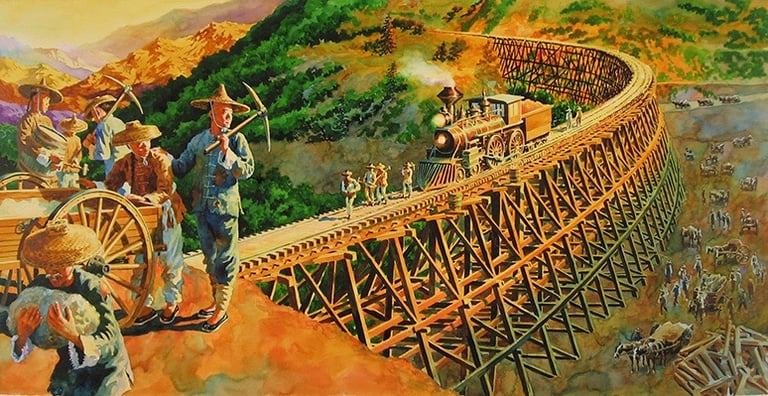
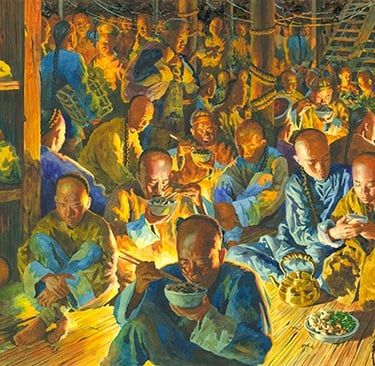
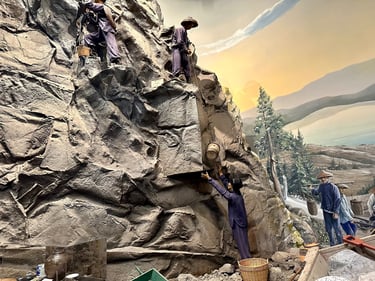
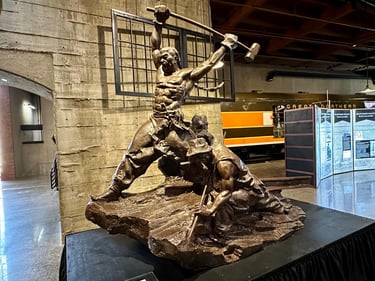
In 1865, The Central Pacific Company hired nearly 5,000 Chinese workers to construct the railroad through the Sierra Nevada range. Their back-breaking labor, as well as an extensive knowledge of gunpowder, led the railroad through the challenging Sierra Nevadas.
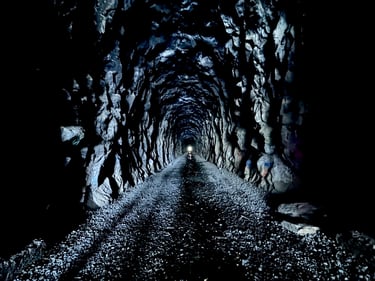
While Central Pacific constructed 15 tunnels through the Sierras - five on the west slope, one at the summit, and nine on the east slope, the longest, and most challenging was Summit Tunnel - 1,659 feet through solid granite. The Chinese crews completed the project in a remarkable 16 months - considerably less than the three years projected for its completion, enabling the Central Pacific to pass through the mountains and onto the much flatter topography in Nevada. Approximately 2,000 Chinese workers lost their lives working on the railroad.
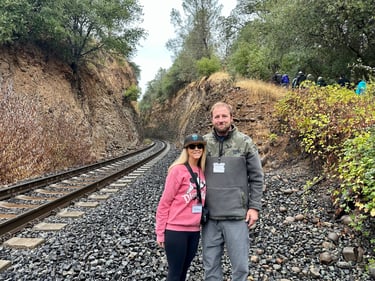
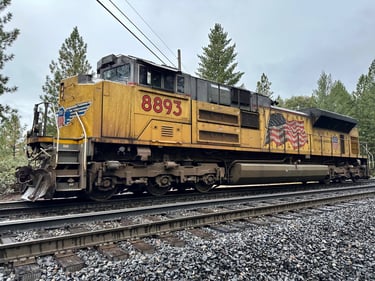
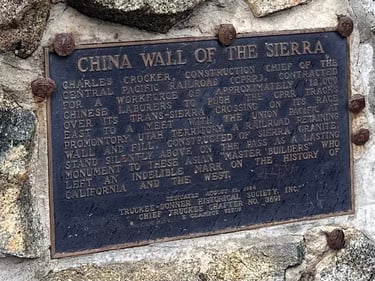
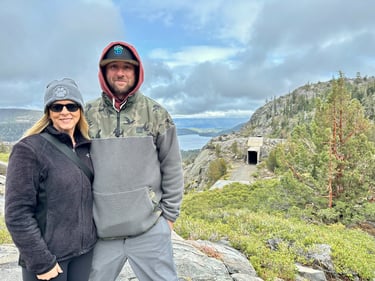
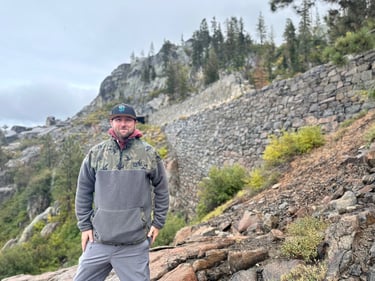
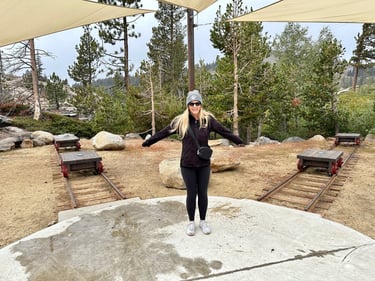
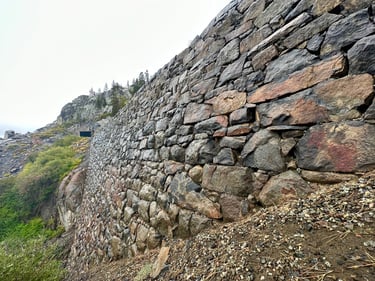
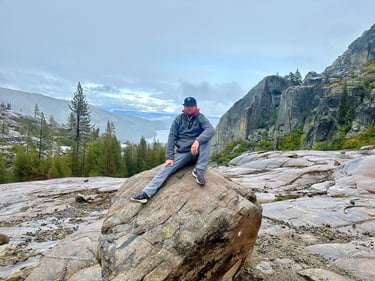
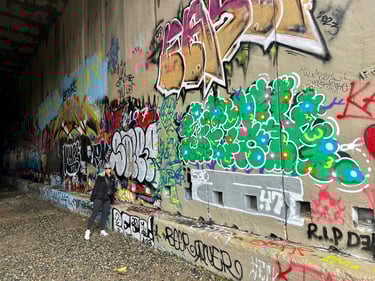
In class, we will reconstruct Summit Tunnel, and fill it with charcoal artwork and writing that shows off our learning. HERE is a link with more information about visiting Summit Tunnel. Families are encouraged to visit and take photos! Mr. and Mrs. Tubach visited in September 2023 (see photos below).
The SUMMIT TUNNEL Project focuses on the contrasting experiences and indelible contributions of Chinese railroad workers in California, as they worked to construct the Transcontinental Railroad. Student will learn about these experiences through research (books, articles, documentaries), then design an interactive event for our community. This event will focus on Summit Tunnel, and life in Chinatown, SF. This dynamic approach will lead to a more robust understanding of the human condition in early California, shortly after the Gold Rush.
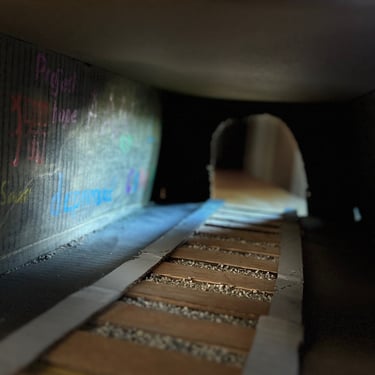
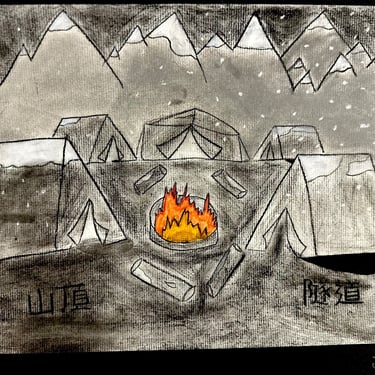
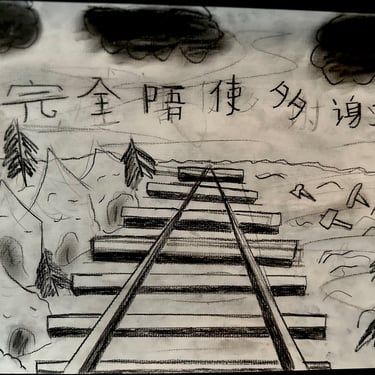
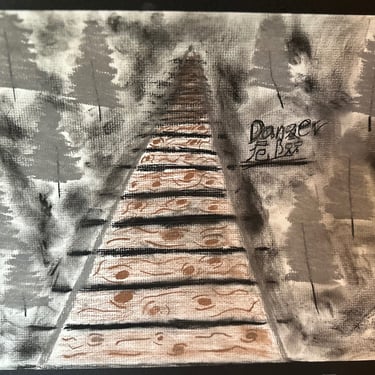
As students study the impact of Chinese immigrants in California, including the Transcontinental Railroad, they will construct a classroom tunnel, then create art pieces that reflect their learning. This replica of the Summit Tunnel, will be on display during Spring Exhibition.
Students will work collaboratively to create an interactive experience for our community (Spring Exhibition). They will use their new understanding to design an original experience for children and adults. This is surely to be an event that nobody will soon forget.
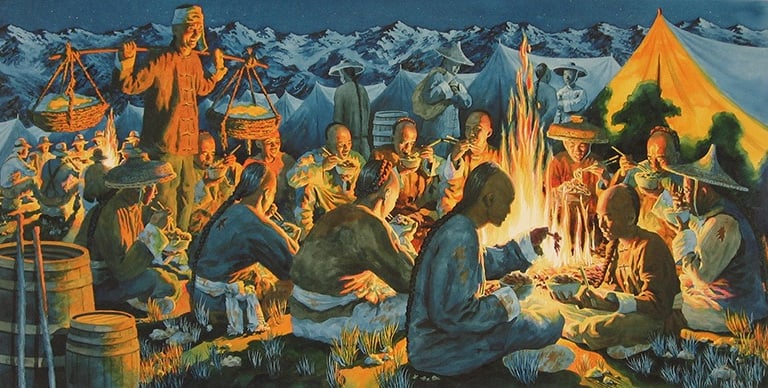
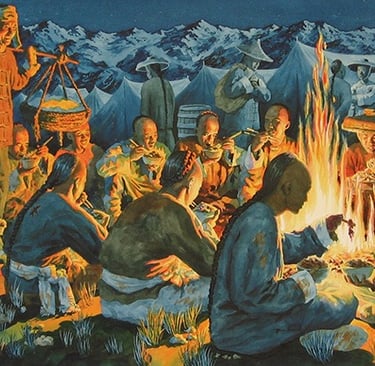
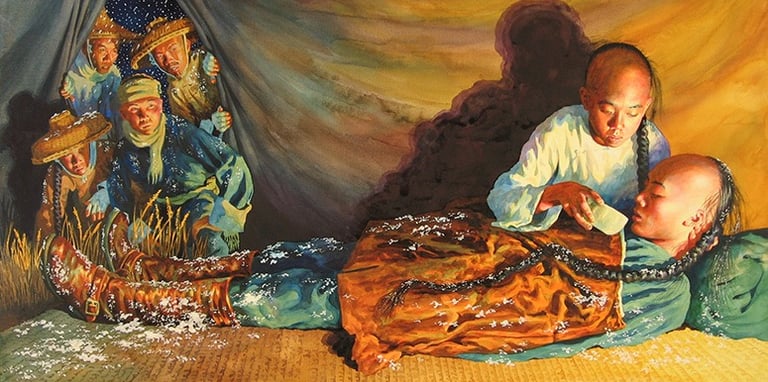

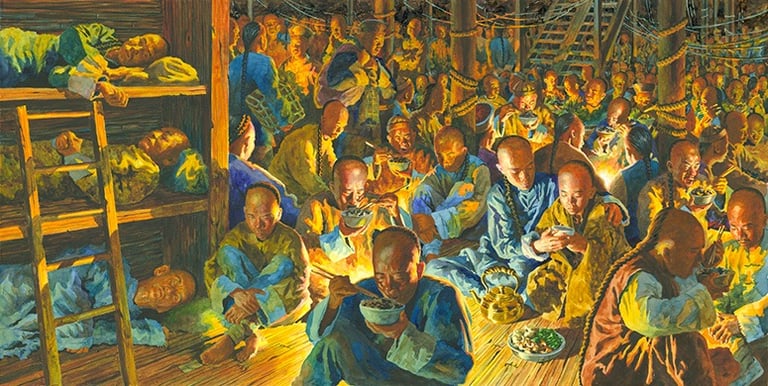


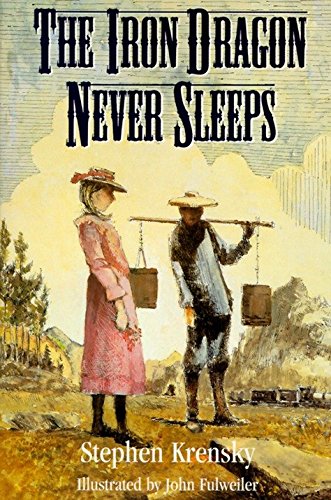
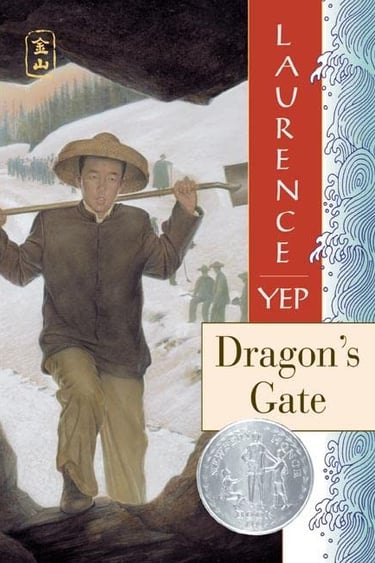
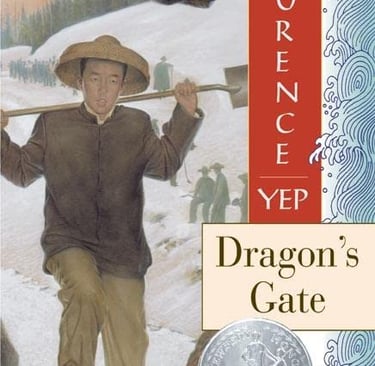
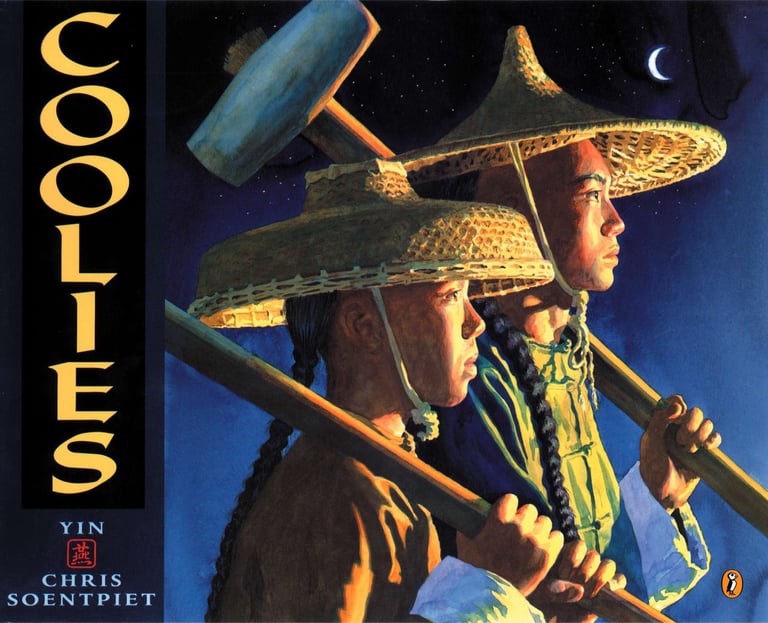
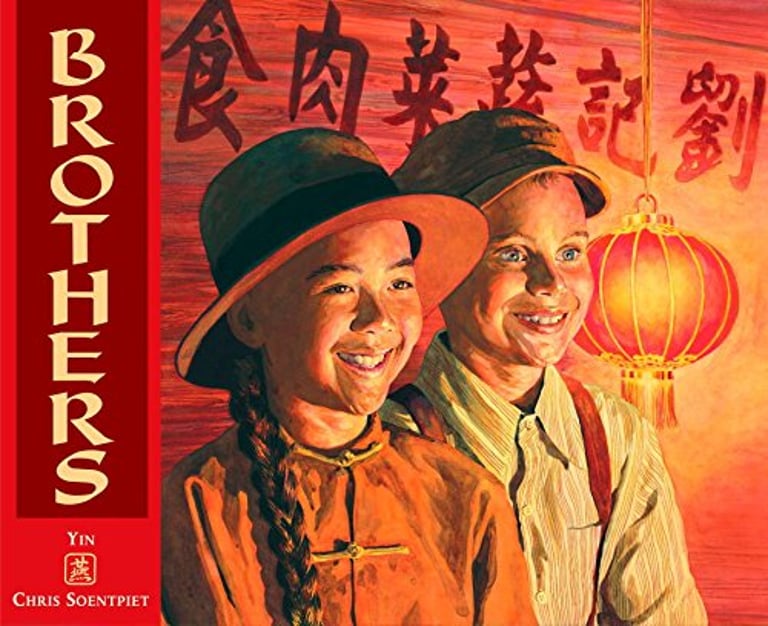
SUMMIT TUNNEL BOOK CLUBS
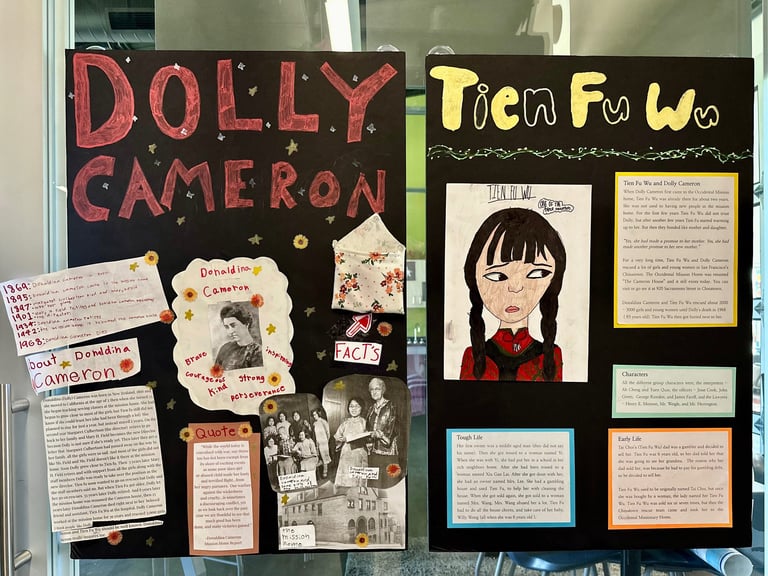
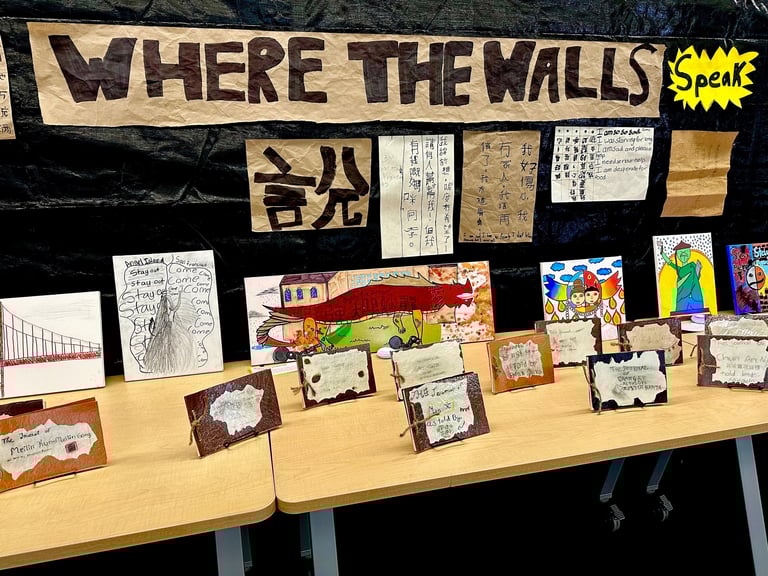
Return to gold mountain
project standards
4.1.5 Use maps, charts, and pictures to describe how communities in California vary in land use, vegetation, wildlife, climate, population density, architecture, services, and transportation.
4.3.2 Compare how and why people traveled to California and the routes they traveled.
4.4.1 Understand the story and lasting influence of ... the building of the transcontinental railroad, including the contributions of Chinese workers to its construction.
4.4.3 Discuss immigration and migration to California between 1850 and 1900, including the diverse composition of those who came; the countries of origin and their relative locations; and conflicts and accords among the diverse groups (e.g., the 1882 Chinese Exclusion Act).
4.4.4 Describe rapid American immigration, internal migration, settlement, and the growth of towns and cities.
CCSS.ELA-LITERACY.RI.4.1 Refer to details and examples in a text when explaining what the text says explicitly and when drawing inferences from the text.
CCSS.ELA-LITERACY.RI.4.3 Explain events, procedures, ideas, or concepts in a historical, scientific, or technical text, including what happened and why, based on specific information in the text.
CCSS.ELA-LITERACY.RI.4.4 Determine the meaning of general academic and domain-specific words or phrases in a text relevant to a grade 4 topic or subject area.
CCSS.ELA-LITERACY.RI.4.5 Describe the overall structure (e.g., chronology, comparison, cause/effect, problem/solution) of events, ideas, concepts, or information in a text or part of a text.
CCSS.ELA-LITERACY.RI.4.6 Compare and contrast a firsthand and secondhand account of the same event or topic; describe the differences in focus and the information provided.
CCSS.ELA-LITERACY.RL.4.6 Compare and contrast the point of view from which different stories are narrated, including the difference between first- and third-person narrations.
CCSS.ELA-LITERACY.RI.4.8 Explain how an author uses reasons and evidence to support particular points in a text.
CCSS.ELA-LITERACY.RI.4.9 Integrate information from two texts on the same topic in order to write or speak about the subject knowledgeably.
CCSS.ELA-LITERACY.RL.4.9 Compare and contrast the treatment of similar themes and topics (e.g., opposition of good and evil) and patterns of events (e.g., the quest) in stories, myths, and traditional literature from different cultures.
CCSS.ELA-LITERACY.W.4.2.B Develop the topic with facts, definitions, concrete details, quotations, or other information and examples related to the topic.
CCSS.ELA-LITERACY.W.4.2.D Use precise language and domain-specific vocabulary to inform about or explain the topic.
CCSS.ELA-LITERACY.W.4.3 Write narratives to develop real or imagined experiences or events using effective technique, descriptive details, and clear event sequences.
CCSS.ELA-LITERACY.W.4.3 Write narratives to develop real or imagined experiences or events using effective technique, descriptive details, and clear event sequences.
CCSS.ELA-LITERACY.W.4.7 Conduct short research projects that build knowledge through investigation of different aspects of a topic.
CCSS.ELA-LITERACY.W.4.9 Draw evidence from literary or informational texts to support analysis, reflection, and research.